
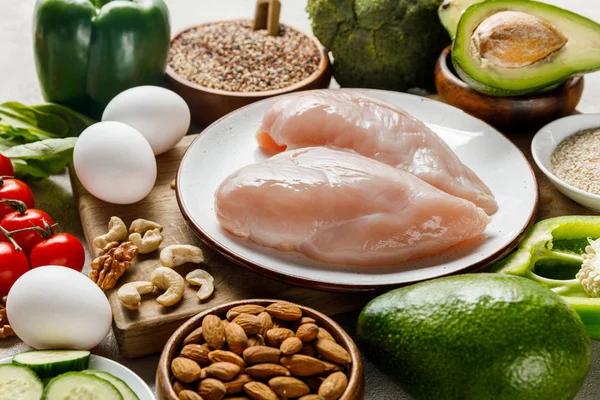
The topic of protein for dogs seems to be gaining traction lately, and for good reason. As a dog owner and fitness enthusiast, I often find myself pondering what goes into the meals I serve my furry friend. Our pets deserve the best nutrition, just like we do, which is why I was intrigued by a recent guide to protein for dogs. This exploration into canine nutrition inspired me to share my thoughts on how protein, an essential macronutrient, can impact our dog’s health and fitness.
Why Protein Matters for Dogs
Protein plays a crucial role in the overall health of our dogs, just as it does for humans. It supports muscle development, aids in repairing tissues, and is vital for a healthy coat and skin. When I first started considering protein’s importance in my dog’s diet, I quickly realized how much it contributes to maintaining their energy levels and overall well-being. Dogs, especially active breeds, require sufficient protein to support their high activity levels and muscle repair after exercise.
Exploring the Benefits of Protein Powder for Dogs
While whole food sources of protein should make up the majority of a dog’s diet, there are times when protein powder for dogs can be beneficial. I’ve used it as a supplement during periods of intense training or when my dog needed additional nutritional support. It’s a convenient way to ensure they get the necessary protein intake without overfeeding. However, it’s important to choose a product specifically designed for dogs, as human protein powders may contain ingredients that are harmful to them.
Addressing Fat Deposits on Dogs
One concern many dog owners face is the development of fat deposits on dogs. These are often linked to a poor diet and lack of exercise. By ensuring your dog receives adequate protein, you can help manage their weight and prevent these fat deposits. Protein not only supports muscle growth, which can boost metabolism, but it also helps in maintaining a lean body mass. Incorporating a balanced diet with the right amount of protein can significantly reduce the risk of excess fat accumulation.
The Intersection of Silk and Wheat Protein for Hair
While my focus is primarily on canine nutrition, I can’t help but draw parallels to other areas where protein is beneficial—like hair care for humans. Silk protein for hair is known for its strengthening properties, while wheat protein for hair provides moisture and volume. Both are examples of how protein can positively impact appearance and health, whether it’s in our hair or our pet’s fur.
What to Keep in Mind Next
As we navigate the world of dog nutrition, it’s crucial to remember that each dog is unique. Their dietary needs can vary based on age, activity level, and health conditions. Consulting with a veterinarian before making significant changes to your dog’s diet is always a wise step. As we continue to learn and adapt, let’s keep striving for a balance that keeps our furry companions happy and healthy.